What 15+ Years of Brewery Design Has Taught Us About Creating Places People Return To
Over a decade ago, I wrote about Austin’s growing craft beer scene and the challenges of designing brewery spaces in a market dominated by metal buildings, tight budgets, and evolving regulations. At the time, many breweries were just trying to get open — design often came after production, if it came at all.
Since then, the industry has matured. We’ve had the privilege of working with brewers, distillers, and makers across multiple regions of the country, designing spaces in more than 15 licensed states. Some of the ideas from those early conversations still hold true today. Others have evolved as the craft market shifted from rapid expansion to thoughtful longevity.
What hasn’t changed is this:
Great spaces support great beer — and the most successful breweries understand how design reinforces their brand and their business.
Then vs. Now: How the Craft Brewery Landscape Has Evolved
Early in the craft boom, many brewery environments were shaped by whatever building stock was available. In cities like Asheville, historic brick warehouses created immediate character. In Austin and many growing markets, breweries often relied on metal buildings — practical, efficient, and affordable.
Today, the conversation has changed.
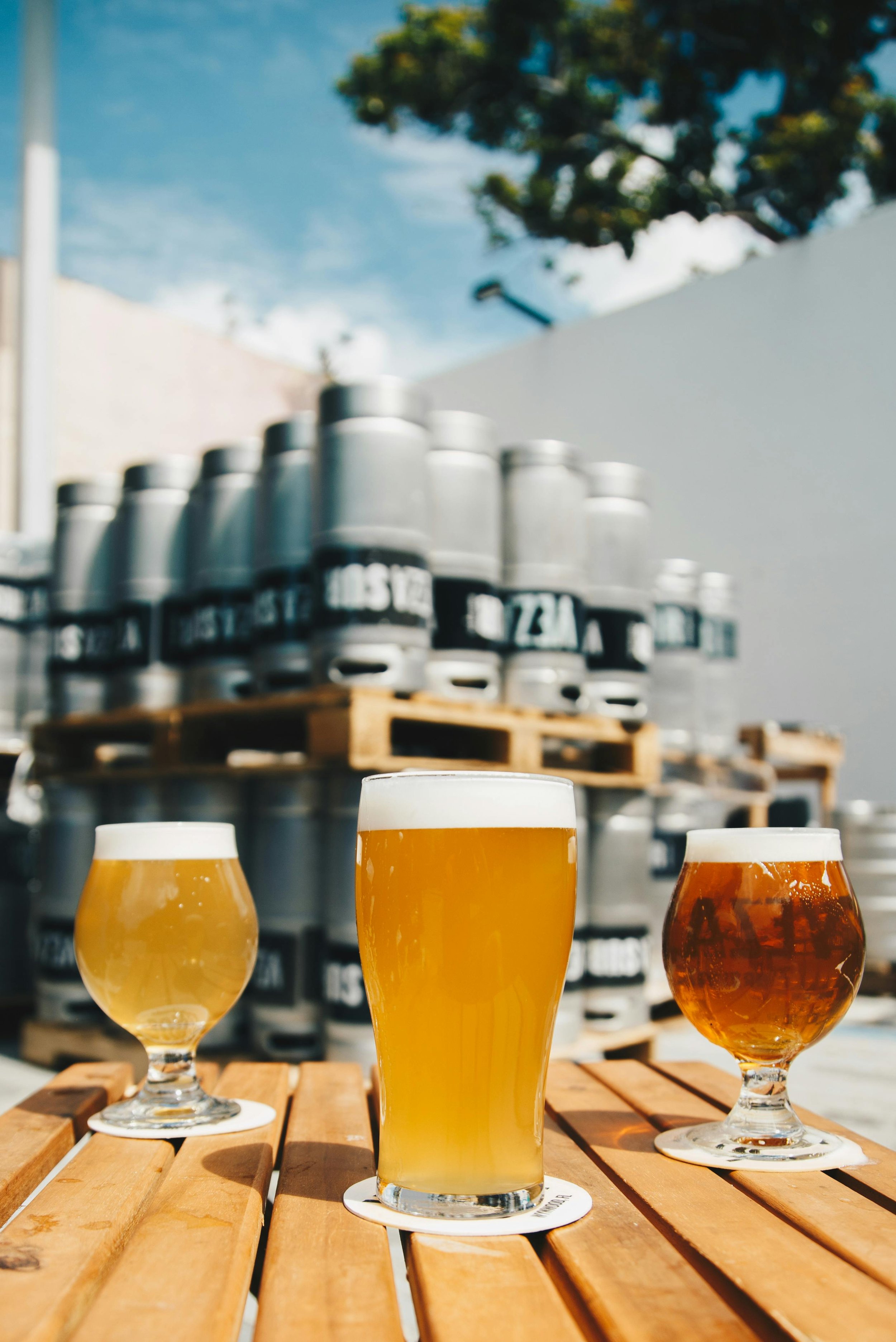
Breweries are no longer just production facilities with a tasting room attached. They’ve become destinations — places where hospitality, brand identity, and operational efficiency intersect.
We’re seeing breweries think more strategically about:
Multi-use outdoor spaces
Flexible seating and event areas
Integrated coffee programs or food partnerships
Merchandise and retail experiences
Long-term operational flow
The question is no longer “How do we open?”
It’s “How do we create a place people come back to every week?”
Lessons That Still Hold Up
Even with all the change in the industry, a few principles remain consistent — and they were true when I first wrote about brewery design years ago.
Production Comes First — Always
Drainage, storage, circulation, and workflow are foundational investments. A beautiful taproom won’t fix inefficiencies in production. The most successful projects prioritize operations early so the experience layer can be built on a strong foundation.
Brand Is Built Through Space — Not Just Graphics
Design isn’t about copper pipes or industrial lighting trends. It’s about creating an environment that reflects what your brewery stands for. Materials, lighting, circulation, and even sightlines to the brewing equipment all communicate something about your identity.
Authenticity Outlasts Trends
Some breweries evolve their spaces as they grow. Others preserve the character that made them beloved in the first place. There’s no single formula — but authenticity always resonates more than imitation.
What Has Changed the Most in Recent Years
While many early design principles still apply, the realities of today’s craft market require a more strategic approach.
Rising Construction Costs Demand Smarter Design
Budgets are tighter, and projects are evaluated through a stronger business lens. Phased growth strategies — designing spaces that can expand without losing identity — have become more common.
Breweries Compete with Experiences, Not Just Other Breweries
Your tasting room is no longer compared only to the brewery down the street. Guests are measuring your space against coffee shops, music venues, restaurants, and outdoor gathering places. Design decisions now influence dwell time, repeat visits, and overall brand perception.
Character Doesn’t Require a Historic Building
Not every region has a catalog of old warehouses waiting to be converted — and that’s okay. Thoughtful material choices, lighting strategies, and spatial storytelling can create memorable environments even in simple structures.
Designing for the Long Game
As the market matures, breweries that succeed are often the ones that balance operational clarity with emotional connection. Making great beer will always be the priority, but the surrounding environment shapes how guests experience that work.
A few considerations we often discuss with brewery teams today:
Don’t treat the tasting room as an afterthought — it’s part of your brand’s narrative.
Design for flexibility. Markets change, and spaces should adapt.
Think about arrival moments. First impressions influence whether someone stays for one beer or three.
Create layers of experience across indoor, outdoor, daytime, and evening use.
The Craft Industry Will Keep Evolving — And That’s a Good Thing
Competition has always been a positive force in the craft world. More thoughtful breweries create stronger local cultures, and strong cultures become destinations. We’ve seen this happen in multiple regions over the years — not through imitation, but through each community developing its own identity.
Fifteen years ago, the challenge was simply getting a brewery open. Today, the opportunity is designing spaces that reflect who you are while supporting how you operate.
Great beer still drives everything.
But the places where people gather around that beer — environments that feel authentic, welcoming, and intentional — are what turn first visits into lasting loyalty.