Most building projects don’t unravel because someone made a reckless decision.
They become difficult because a lot of very normal pressures show up at the same time — and the project wasn’t fully prepared to carry them.
Permitting takes longer than expected. An approval comes back with comments no one anticipated. A lender wants updated numbers halfway through design. Cash flow tightens while decisions are still being worked out. A general contractor prices something one way, while the owner assumed another. A missed email or unclear drawing turns into a week-long delay.
None of that is unusual. It’s the reality of building.
The difference between projects that feel manageable and projects that feel exhausting usually comes down to how much real thinking happened early — before schedules, financing, and construction all started pulling at the same time.
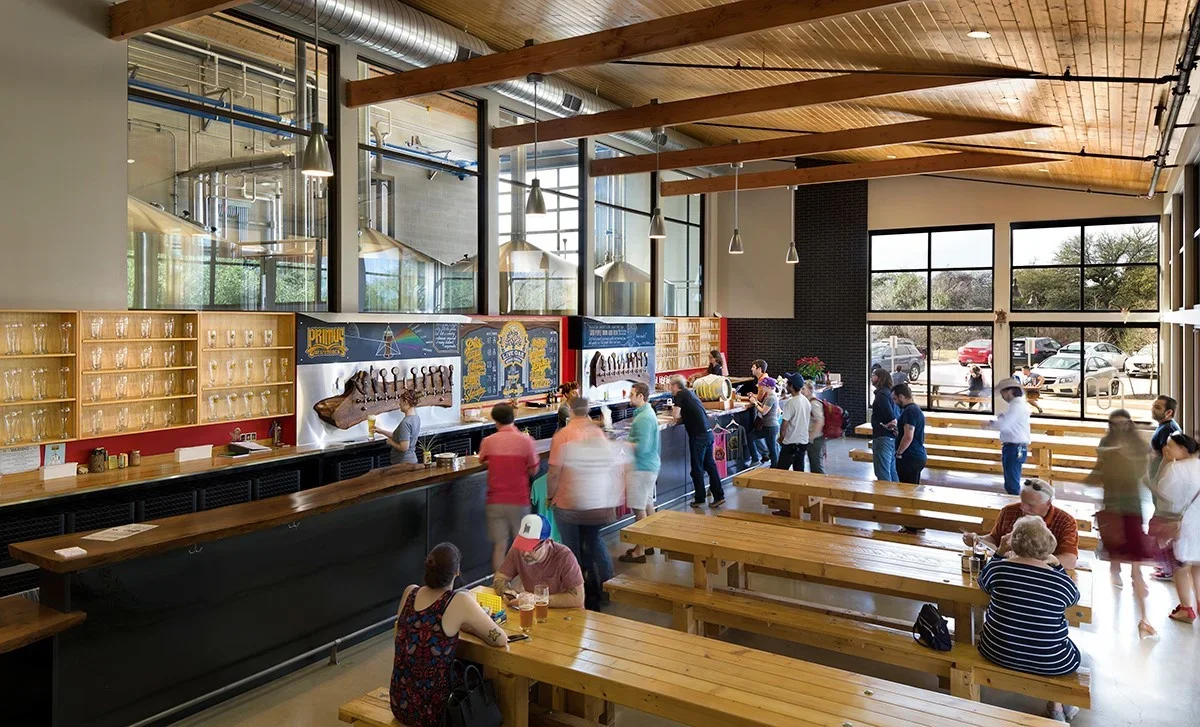
We work primarily with makers: breweries, distilleries, and production-driven businesses that also have a public-facing side. These projects live at the intersection of operations, regulation, financing, and experience. They are exciting, but they are not simple.
Early in the process, it’s easy to focus on what’s most visible. Square footage. Adjacencies. The look and feel of the space. Those things matter. But they’re only one layer of the project.
There’s another layer underneath that determines whether everything else goes smoothly or feels like a constant negotiation.
That layer is about how the project actually gets approved, financed, built, and operated — not in theory, but in the real world.
We’ve seen projects where permitting stalled not because the design was bad, but because no one had clearly mapped the approval path early. The project technically complied, but the reviewer was encountering surprises late in the process. Each round of comments added time, uncertainty, and stress — not because the work was wrong, but because the thinking arrived too late.
We’ve seen projects where financing became a source of pressure because design decisions weren’t aligned with cash flow realities. Equipment selections, phasing strategies, or scope assumptions made sense architecturally, but they conflicted with how the loan was structured. That disconnect forced late adjustments that rippled through the schedule.
We’ve seen projects where general contractors were put in a difficult position — asked to price or build details that hadn’t been fully resolved. In those cases, the contractor has to interpret intent. Sometimes they guess right. Sometimes they don’t. Either way, the project ends up reacting instead of moving deliberately.
These aren’t mistakes. They’re gaps in early clarity.
When that clarity is present from the start, the same pressures show up — but they don’t carry the same weight.
Permitting conversations go more smoothly because the project has been framed in a way reviewers can understand. Approval comments are fewer, and when they do come, they’re easier to respond to. Financing conversations stay calmer because the scope, phasing, and priorities were aligned early. Contractors can price accurately and schedule confidently because the drawings reflect real decisions, not placeholders.
The project still requires coordination. It still requires effort. But it doesn’t feel like it’s constantly on the brink of friction.
At OPA, a large part of our work happens before anything looks finished on paper.
We spend time understanding how a project actually operates day to day. Not just how it opens, but how it runs on a busy week. How materials arrive. How staff move. How equipment gets serviced. How maintenance happens without disrupting everything else.
We also spend time understanding how the project will move through approvals, timelines, and construction. Where decisions need to be locked in early. Where flexibility actually exists — and where it doesn’t. What questions reviewers, lenders, and contractors are likely to ask, and how to answer them before they become obstacles.
That work isn’t flashy. It doesn’t always show up in a rendering.
But it’s what keeps projects from feeling heavier than they need to.
When early thinking is thorough, later phases move with more confidence. Meetings are more productive because the team isn’t revisiting the same unresolved issues. Communication improves because intent is clear. When something unexpected comes up — and it always does — the project has enough structure to absorb it.
This is especially important for makers, where the building is directly tied to the business itself. A delay isn’t just a delay — it affects production, staffing, revenue, and momentum. Design decisions don’t live in isolation. They influence cash flow, operations, and the ability to open on time.
Good projects aren’t defined by the absence of challenges.
They’re defined by how well the project team anticipated normal ones.
If you’re planning a project this year, it’s worth asking whether your team is helping you think through more than just the visible parts of the building.
Are permitting paths clear? Are approvals sequenced in a way that supports financing? Do design decisions align with how cash actually moves through the project? Are contractors being given enough clarity to build what’s intended, without guessing?
Those questions don’t slow projects down.
They’re what allow projects to move forward with less friction once everything is in motion.
At the end of the day, good buildings don’t happen because everything went perfectly.
They happen because someone took the time early to understand how the project would behave under real pressure — and designed accordingly.
That’s the difference between a project that feels constantly reactive and one that feels steady, even when things get complicated.
And that’s the kind of work we focus on every day.
If you’re planning a project this year, now is the easiest time to influence how it feels later.
Reach out (here) before feasibility, permitting, and construction lock decisions in place.